
How is septic tank cleaning different from pumping?
Pumping removes liquid. Cleaning removes everything: the sludge on the bottom, the scum floating on top, and the liquid in between. A tank that only gets pumped keeps building solids at the bottom, and eventually those solids clog the outlet baffle or work into the drain field. That's an expensive fix. A full cleaning service breaks up and extracts all three layers, which is why septic tank pumping cost and cleaning cost aren't quite the same line item, even though people search both terms expecting one answer. If you're not sure which one your tank needs, check the signs first: slow drains, gurgling pipes, or standing water near the tank all point toward septic tank warning signs worth acting on before the tank backs up into the house. Gary's older neighborhoods, especially homes built before the city extended sewer lines further out, still rely on private septic systems, and those tanks don't clean themselves.
How often does septic tank cleaning need to happen?
A typical 1,000 gallon residential tank gets pumped and cleaned every 3 to 5 years, and that interval depends on tank size and how many people live in the house. A family of six fills a tank faster than a couple living alone, so the low end of that range fits bigger households. If you're asking how often septic tank cleaning should happen for your specific setup, the honest answer is: it depends on tank size, water use, and whether you've got a garbage disposal running solids into the system daily. We cover the math in more detail on how often to pump a septic tank. Restaurants and commercial kitchens in Gary run a different clock entirely. A grease interceptor needs pumping once fats, oils, grease and solids reach 25 percent of the liquid depth, which can happen in weeks, not years. That's a separate service from residential cleaning, covered under grease trap pumping.

What does septic tank cleaning cost in Gary?
Cost depends on tank size, how compacted the sludge is, and how far the truck has to travel. Here's the pricing band for standard septic service call-outs:
| service | duration | low | typical | high |
|---|---|---|---|---|
| septic pumping/cleaning | day rate | $150 | $250 | $300 |
| septic service | weekend | $50 | $100 | $150 |
A day-rate call handles most residential cleanings in one visit. Weekend service costs less as a standalone add-on but assumes the main cleaning work is already scheduled. For a full cost breakdown by tank size and access difficulty, see septic tank pumping cost. If your home is outside Gary proper, distance matters too. We're running trucks out to Hobart 8.5 miles southeast, Merrillville 10.8 miles south, and Portage 12.5 miles east on a regular basis, and travel time factors into scheduling more than price.
Do I need cleaning septic tank filter service too?
Yes, if your tank has an effluent filter, and most tanks installed in the last couple decades do. The filter sits at the outlet baffle and catches solids before they can reach the drain field. Cleaning it is a quick job during a full septic cleaning visit, but skipping it defeats the purpose of having a filter at all. A clogged filter backs up into the tank, and in bad cases, into the house. If you've never had yours checked, ask about it specifically when you book. This is separate from field sanitation standards under OSHA 1928.110, which governs portable toilets and handwashing for agricultural labor crews, not residential septic filters, but the two come up in the same conversation when a Gary property runs both a home septic system and a farm operation with field workers needing farm and agricultural restrooms.
Where can I find septic tank cleaning near me in Gary?
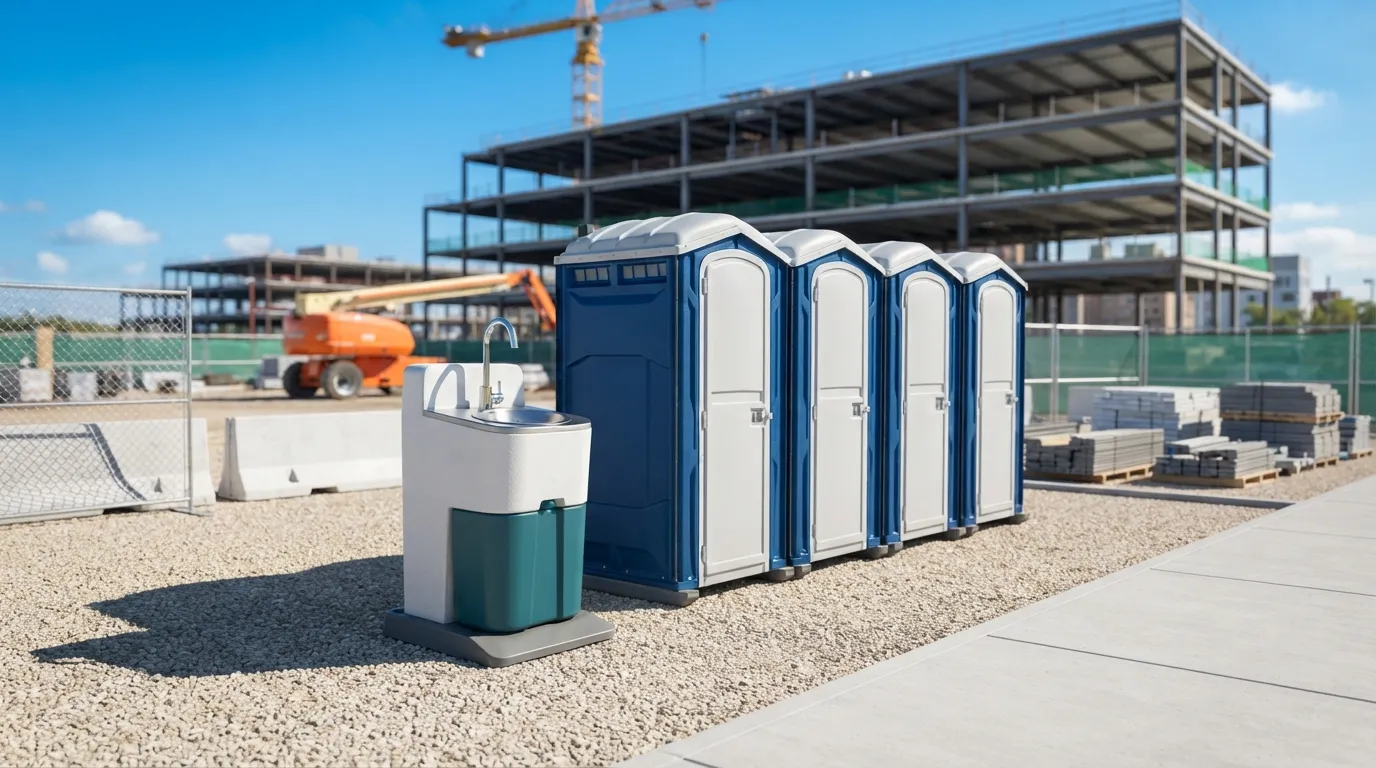
Gary Porta Pros services the city directly, plus Hobart, Merrillville, Portage, Calumet City 13.0 miles west, and Schererville 13.3 miles southwest. If your address falls outside our standard coverage, check service areas or just call. Emergency cleanings happen too. A tank that's backing up on a Friday night doesn't wait for Monday, and we run emergency septic service for exactly that. If your property runs a holding tank instead of a conventional septic system, maybe for a detached structure or a temporary setup, that's a different service entirely; see holding tank rental for how that works. Construction sites and event grounds in Gary have their own sanitation needs that overlap with septic work but aren't the same job. If you're staffing a build site, construction site services covers portable toilets alongside septic support, and OSHA 1926.51(c) sets the toilet-to-worker ratio you'll need to hit: one facility for 20 workers or fewer, scaling up from there.
How much does a septic tank cleaning cost?
Most residential cleanings in Gary run as a day-rate service call, generally landing in the $150 to $300 range depending on tank size and sludge buildup. Older or harder-to-access tanks push toward the higher end. Get a firm number through septic tank pumping cost or request a quote directly.
How do I know if my septic tank needs cleaning now?
Slow drains, gurgling toilets, sewage odor near the tank, or standing water over the drain field are the clearest signs. Don't wait for a full backup. Check septic tank warning signs for the full list, and call sooner rather than later if you're seeing more than one symptom.
Can I clean a septic tank myself?
No. Septic tanks hold toxic gases and require pumping equipment to remove sludge safely. This isn't a DIY job, and opening a tank without the right setup is genuinely dangerous. Professional cleaning also disposes of waste properly, which matters for both safety and code compliance.
What's the difference between septic pumping and septic tank cleaning?
Pumping removes liquid waste only. Cleaning removes liquid, sludge, and scum, and often includes inspecting the baffles and filter. A cleaning service is more thorough and is what most tanks actually need every 3 to 5 years, not just a quick pump-out.
Does a grease trap need the same cleaning schedule as a septic tank?
No. A grease interceptor gets pumped once fats, oils, grease and solids hit 25 percent of the liquid depth, which happens far faster than residential septic cycles. Restaurants often need grease trap pumping monthly or more, not every few years.

Next step
Get a delivery date
Tell us the address, the dates and the headcount. We size the order and confirm the route.